

Becoming a Writer (Before Anyone Calls You One)
What it means to take your craft seriously before the validation, before the yes
I am learning myself as a writer.
Poetry started as a hobby. Over the last six months, it’s become a discipline. Without formal fine arts training, I’ve been building my own course in writing—one poem a day. Good, bad, or ugly.
My foundation is stronger than most. I did study English writing and communications media. Now I’m building on that.
Since December 2025, I’ve been writing or editing a poem a day. A lot of that time has been spent revisiting old work—rewriting it through a new lens, a new standard, a new sense of what my voice could be.
Once, I was a philosopher in my poetry. Now, I’m becoming an observer.
I’m not just writing about feelings anymore; I’m trying to make them touchable as I try to touch them myself. I’m stepping out of abstraction and into detail, into proximity with living.
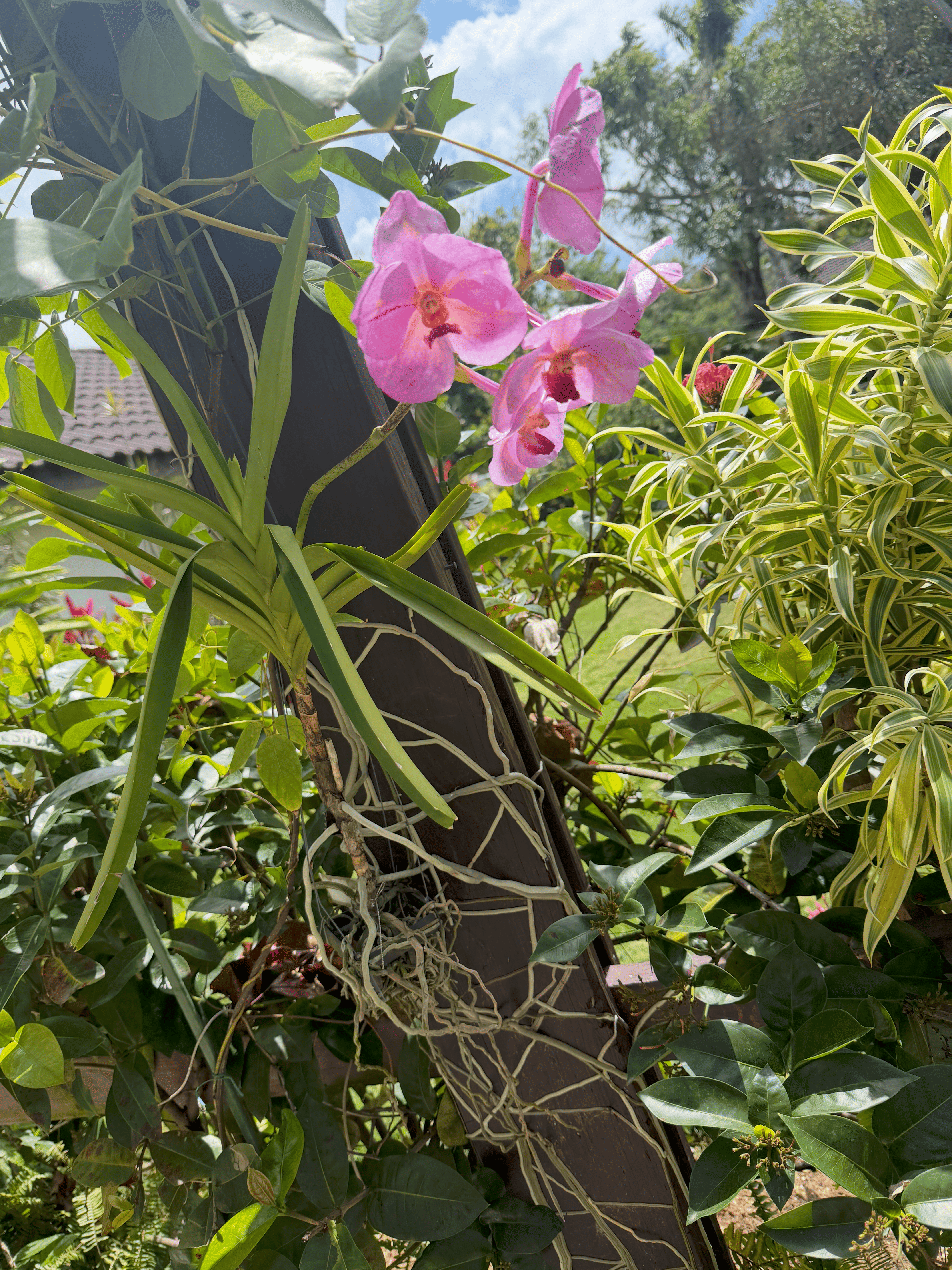
I’ve also been exploring prose again. It’s not my strong suit, but I can feel it sharpening something in me: my attention, my specificity, my patience.
For the last two years, I’ve posted poetry here on Substack alongside reflective essays. The poems were edited, revised, and cared for, but my lens was different then. I’m learning now what it actually means to edit. What publication demands. What holds weight beyond my own standards.
And humbly, I’m realizing that most of my poems are average. Some are good. Few are ready.
This year, I’ve been building that muscle. That craft. My poetic identity is shifting from something loosely formed into something more deliberate—more committed to self-study, and soon, to peer review.
As an aspiring master of poetry, I’d be remiss not to confront the powers that be, the ones who decide what is good, what is lasting. How can I call myself a master if my work has never been truly challenged?
In 2026, I want to learn what I’m really made of as a poet. I expect more rejections. “No,” “not yet,” silence. I expect that there is still a lot I don’t know.
And more than I fear that, I find myself excited by the idea of becoming good. Not just good in my mind, or to my friends, or to my audience—but good enough to move someone who has no reason to be generous.
So I’ve started putting myself out there.
Last winter, I submitted to amateur poetry contests I won’t hear back from until this spring. I’ve applied to fellowships for writers with non-traditional paths. I’ve started building a list of workshops I want to take in the New York/New Jersey area.
None of it is guaranteed.
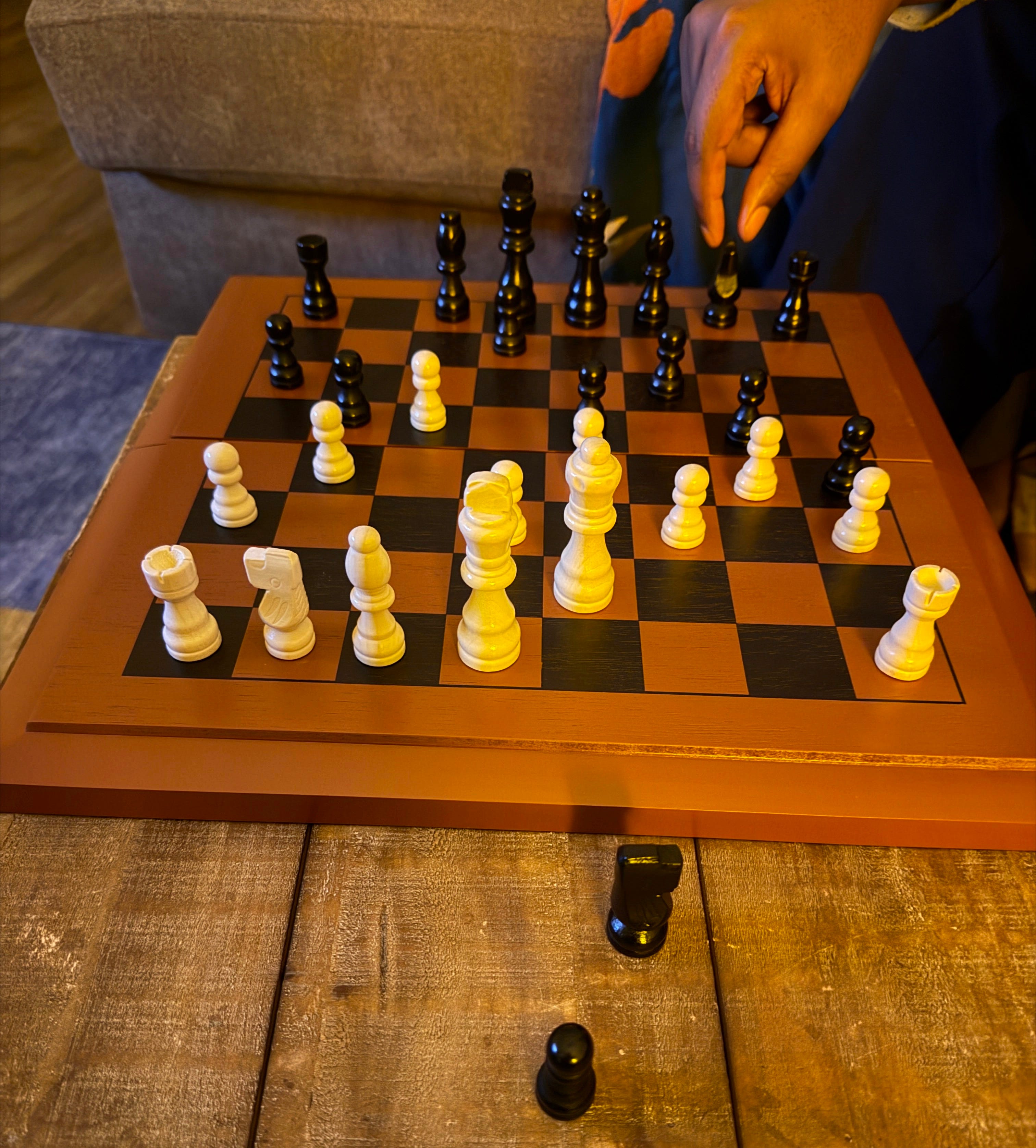
But the process feels familiar. It reminds me of being an athlete. Qualifying for competitions. Being critiqued by coaches and peers. Vying for space, for recognition, for opportunity.
Publishing poetry doesn’t feel so different from trying to become an Olympian.
I am up at 6 AM writing and editing poems that I now find a little embarrassing in their bareness. Similarly, I once woke up early to train and refine my technique for a competition. I am failing spectacularly at metaphors, the same way I failed when I veered from a competition plan. And I am loving being almost good at something I’ve practiced for hours and hours.
This is where passion revitalizes. Still, the part that unsettles me is the rejection.
What if I’m not as good as I think I am?
What if I don’t get into any of these fellowships?
These are the thoughts that interrupt my sleep, my writing. But in a way, it’s too late. I’ve already been rejected—by myself. For years.
So I keep going. I almost expect the no’s now. But I still find myself holding space for the possibility of a yes.
That one email.
That one “Congratulations.”
What I’m learning about myself is how fearless I am in practice. I look forward to publishing my work one day. But what I love even more is my willingness to try; to say I am trying, even when I’m unsure, even when I’m terrified.
Lately, I’ve been learning through other poets’ voices, histories, and their ways of seeing. It’s a strange and humbling thing to understand your work through someone else’s. Not to diminish your own, but to see how many ways a poem can exist.
To honor my voice is to honor theirs.
In the next few months, I’m looking for a poem that scares me; a poem that reminds me how much more there is to learn.
I think I’ll find it soon. And I can’t wait to meet it.
—Kelli
The similarities to athletics and pursuing the Olympics is so cool! You’ve done this AND you’re doing it.
How delight-full is this piece landing in my orbit
with its resonance and reminders
as inspiration and a gentle nudge forward.
Thank you for your dedication
and for courageously sharing it with us ✨